
The Optimal Number of Eggs for Intracytoplasmic Sperm Injection (ICSI)
Many couples suffering from delayed conception resort to Intracytoplasmic Sperm Injection (ICSI). Initially, doctors focus on stimulating the ovaries to produce several eggs using hormones. Producing multiple eggs increases the chances of ICSI success. But the question remains: what is the optimal number of eggs for ICSI? Follow the next lines to find the answer.
Intracytoplasmic Sperm Injection (ICSI)
ICSI is one of the methods to treat delayed conception. It is considered a very safe and effective medical technique for men suffering from infertility due to low sperm count, unhealthy sperm, or for women with a low egg count or an unhealthy uterus, to achieve a successful pregnancy.
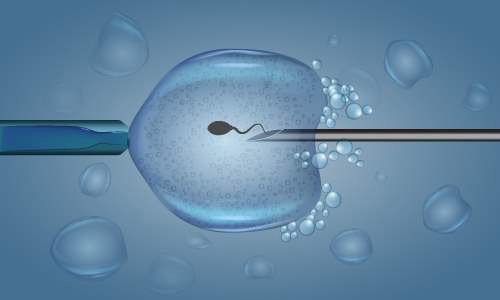
ICSI involves selecting the strongest and most motile sperm and injecting them directly into the fertilized egg using a fine needle for assisted fertilization. The embryo is then cultured in the laboratory until it reaches the blastocyst stage (day 5 embryo). Afterwards, the embryo (blastocyst) is transferred to continue developing in the uterus.
The Optimal Number of Eggs for ICSI
Age is the most important factor in a woman’s fertility. A woman is born with all the eggs she will ever have, which gradually decline throughout her life. For this reason, your age can affect the success of ICSI. However, it is important to keep in mind that many other factors besides age can affect the optimal number of eggs for ICSI.
Since the younger the woman, the better the quality of her eggs, a younger woman can have the same chances of pregnancy with a lower number of retrieved eggs compared to an older woman with a higher number of retrieved eggs.
However, as a general rule, having about 10 to 12 mature eggs after egg retrieval is a good number and will give a woman a good chance of having at least one normal embryo, giving her a 65 percent chance of pregnancy. However, in the end, it’s not the number of eggs that matters, but the quality. One high-quality egg is better than 20 poor-quality eggs when it comes to success rates.
What is the Optimal Egg Size for ICSI?
Egg size plays a major role in determining whether you can get pregnant. When you decide to undergo ICSI, your doctor will analyze the egg size to determine if it is suitable for fertilization. The size also determines whether the embryo can grow and develop into a healthy baby.
When it comes to egg size, the larger, the better. On average, the diameter of a mature egg ranges between 18-20 mm (1.8-2 cm), which is considered suitable enough for fertilization. An egg with a diameter of about 23-28 mm (2.2-2.8 cm) is better because a larger egg increases the chances of a successful pregnancy through ICSI.
Can Pregnancy Occur with a Small Egg Size?
A larger egg increases the chances of a successful pregnancy; however, pregnancy cannot occur in the case of a small egg size. Even if you become pregnant, the chances of continuing the pregnancy to term are very low, as there is a high risk of miscarriage.
Small eggs often contain chromosomal abnormalities with abnormal DNA. This condition is called aneuploidy and increases the risk of miscarriage and chromosomal abnormalities in the developing baby.
What Helps Increase Egg Size?
If you are trying to get pregnant, you should know that good egg quality lays a solid foundation leading to a healthy pregnancy. There are things you can do to enhance your egg quality for optimal pregnancy chances. Here are some tips to increase egg size:
Eat healthy foods rich in nutrients such as whole grains, lean meats, fresh vegetables, fruits, and nuts. Also, drink plenty of water.
Avoid processed foods and meats and try to reduce salt and sugar intake.
Maintain a healthy weight because excess weight reduces your fertility and egg quality. Obesity also affects your hormonal balance, which in turn can prevent ovulation.
Get good sleep at night. Sleep is directly linked to egg quality and fertility. It allows your body to repair cells, restore energy, and secrete hormones like melatonin, which is vital for reproductive processes so your body can develop healthy, high-quality eggs, as it supports egg quality, ovulation, and embryo development.
Avoid cigarettes and stay away from caffeine and alcohol, as they help accelerate egg loss in the ovaries.
What are the Factors for Successful ICSI?
The success of ICSI depends on several different factors, as the number of eggs retrieved varies greatly from woman to woman.
Age: A woman is born with a certain number of eggs, and as she ages, the number of eggs decreases, reducing the chances of ICSI success.
Ovarian Reserve: Ovarian reserve is a term describing the quantity of eggs present in the ovaries. Being a certain age does not mean the ovaries contain a specific number of eggs. It is possible for two women of the same age to have completely different numbers of eggs. In other words, some women are born with more eggs, and others with fewer.
There are two ways a doctor can determine ovarian reserve. The first is through hormone tests at the beginning of the menstrual cycle. These hormones include Follicle-Stimulating Hormone (FSH), estradiol, and Anti-Müllerian Hormone (AMH). The second is through antral follicle count. The ovary contains small sac-like follicles, each containing an egg inside. By inserting a transvaginal ultrasound, the doctor can count the number of follicles you have that month.Sperm Quality: The success of ICSI depends on sperm quality and count.
Lifestyle: Smoking, excessive alcohol consumption, and poor diet can affect the number of eggs retrieved during ICSI.
Response to Ovarian Stimulation Medications: The amount of medication used to stimulate the ovaries can affect the number of eggs retrieved. Women who do not respond well to medications may get fewer eggs.
Medical Conditions: Some medical conditions, such as Polycystic Ovary Syndrome (PCOS) and endometriosis, can affect the number of eggs retrieved.
Previous Surgery: Women who have undergone reproductive surgery may have fewer eggs retrieved during ICSI.