
Instructions Before and After Embryo Transfer
After trying many medications used to treat delayed conception that proved ineffective, and you and your partner have decided to undergo Intracytoplasmic Sperm Injection (ICSI), In Vitro Fertilization (IVF), or other procedures, there has always been an important step: the embryo transfer stage. Given the crucial role this step plays in determining the success of IVF, it is essential to know the most important instructions before and after embryo transfer.
Brief Overview of Embryo Transfer Procedure
Embryo transfer, also known as embryo re-transfer, is the process of transferring embryos into the uterus. It is the final stage of the In Vitro Fertilization (IVF) process.
During this procedure, the fertilized egg from the IVF process is transferred into the mother’s uterus using a catheter inserted through the vagina into the cervix and then into the uterus itself, allowing the embryo to continue growing naturally without further external medical intervention.
Generally, this procedure does not require anesthesia, but the doctor may use some sedative medications like diazepam.
Cases Requiring Embryo Transfer
IVF involving embryo transfer is used to treat cases of delayed conception, fertility problems, or infertility. There are many reasons to use embryo transfer technology, including:
Ovulation disorders, where ovulation is rare or absent, resulting in fewer eggs available for successful fertilization.
Damage or blockage in the fallopian tubes, which are the passageway for embryos to reach the uterus. Damage or blockage makes it difficult for the fertilized egg to travel to the uterus and achieve pregnancy.
Endometriosis, which occurs when uterine tissue implants and grows outside the uterus, often negatively affecting female reproductive function.
Premature ovarian failure, when the ovaries stop their normal function; they do not produce normal amounts of estrogen or release eggs regularly.
Uterine fibroids, which are small benign tumors in the uterine lining. These tumors can interfere with the ability of the fertilized egg to implant in the uterus, causing infertility.
For men, the main problem is low sperm production, poor sperm motility, testicular damage, or abnormal semen, all of which can lead to failure of natural fertilization.
All the above can be diagnosed as cases where a person resorts to IVF and needs to know the instructions before and after embryo transfer for successful artificial fertilization.
Types of Embryo Transfer Procedures
All doctors follow the same steps for IVF. However, after fertilization occurs, there are multiple methods for embryo transfer, and instructions before and after vary:
Fresh Embryo Transfer: Once the egg is fertilized, it is cultured for a day or two, then the best embryos are selected for direct transfer into the uterus.
Frozen Embryo Transfer: This is a cycle in which healthy surplus embryos from an IVF cycle are collected, frozen, and stored for future use. They are later thawed and transferred to the uterus.
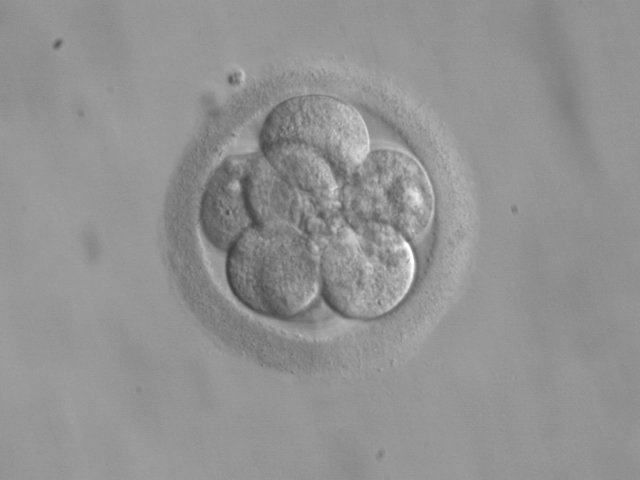
Day 3 (Cleavage Stage) Embryo Transfer: In this stage, the embryo’s cells divide without a significant increase in size, resulting in a group of cells the same size as the original fertilized egg. This division occurs on the third, second, or fourth day. Since some embryos do not survive until day five, transferring embryos on day three is considered a safer way for embryos to reach the mother’s uterus.
Multiple Embryo Transfer: This involves transferring more than one embryo into the uterus. It is a procedure fraught with the risks of multiple pregnancies. In the past, transferring multiple embryos was common to ensure pregnancy occurred. However, the emergence of multiple pregnancies has led to a reevaluation of this method, and guidelines from relevant obstetrics and gynecology authorities now restrict multiple embryo transfers.
Assisted Hatching: A study in reproductive biomedicine found that assisted hatching, which involves weakening the outer layer of the embryo before transfer to the uterus, does not improve pregnancy rates in women undergoing fresh embryo transfer, but it may benefit women undergoing frozen embryo transfer.
How Many Embryos Can Be Transferred to the Mother's Uterus?
In the instructions before and after embryo transfer, you might wonder about the number of embryos that can be transferred. Practices still differ regarding the number of embryos transferred. In many cases, the doctor returns only one fertilized embryo to the uterus. Meanwhile, some other doctors believe that transferring two fertilized embryos may increase the chance of a successful pregnancy.
According to principles issued by the International Journal of Gynecology and Obstetrics, the number of fresh embryos transferred varies according to the mother’s age and expectations. However, in most cases, no more than two embryos are transferred. For women under 35, pregnancy chances are higher, so doctors may consider transferring only a single embryo. If a woman’s chance of pregnancy is low, doctors may choose multiple embryo transfer, where three or more embryos are transferred to the uterus to increase the likelihood of pregnancy.
Instructions Before and After Embryo Transfer
Among the most important instructions before and after embryo transfer is talking to your doctor for an accurate uterine assessment. This includes identifying a suitable environment for implantation using ultrasound technology. The thickness and pattern of the uterine lining are examined, and your hormone levels are evaluated. Any necessary adjustments are made to your medication regimen to improve these conditions for successful implantation.
Important instructions after embryo transfer include:
Getting adequate rest and avoiding strenuous activities and heavy lifting for a few days.
Prescription of specific progesterone supplements to strengthen the uterine lining, increasing the chances of successful implantation, under the doctor’s guidance.
Approximately two weeks later, a blood test is performed to measure human chorionic gonadotropin (hCG) levels. High levels of the hormone confirm a successful pregnancy.
Key Steps During Embryo Transfer
The embryo transfer procedure is performed by a reproductive endocrinologist or fertility specialist. It is a procedure that must be performed precisely by gently transferring the selected high-quality embryos in a thin, flexible catheter under ultrasound guidance to ensure accuracy.
The catheter is then carefully inserted through the cervix directly into the uterus. Upon reaching the optimal position, the embryos are released into the uterine cavity precisely. Afterwards, the catheter is removed, and the woman is advised to rest briefly to allow the pregnancy to stabilize.
Key Factors Affecting the Success of Embryo Transfer
The success of embryo transfer depends on following instructions before and after the procedure, as well as a set of factors. Embryo quality, characterized by regular cell division and minimal fragmentation, is a crucial determining factor. Other factors include uterine receptivity and the woman’s age, as younger individuals tend to have higher success rates due to a surplus of healthy eggs and embryos.